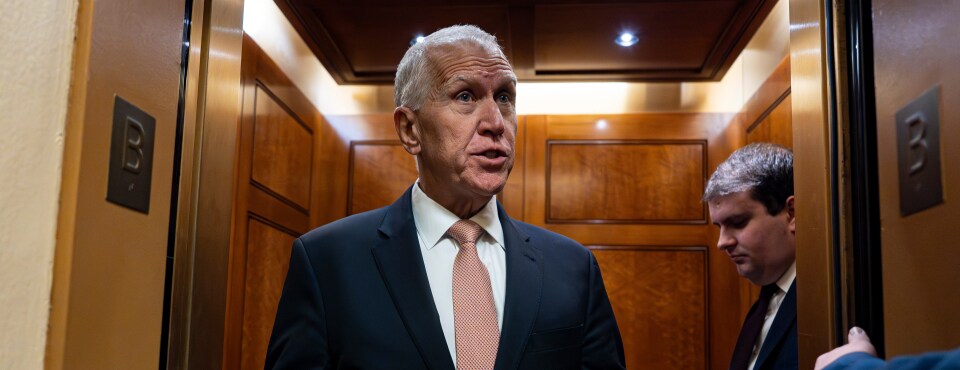
Senator Tillis Escalates: Threatens Senate Gridlock Amid Intense Noem Immigration Frustrations
In a rare and dramatic display of congressional power, Senator Thom Tillis (R-N.C.) has delivered a stark warning that could throw the U.S. Senate into unprecedented gridlock. His target? Homeland Security Secretary Kristi Noem, whose perceived stonewalling on critical inquiries regarding an immigration crackdown in Charlotte, North Carolina, has fueled Tillis's escalating frustrations with Noem. This isn't just a political spat; it's a profound declaration by a retiring senator, from the president's own party, to derail fundamental Senate operations unless his demands for transparency are met.
During a fiery Senate Judiciary Committee testimony on Tuesday, an visibly angry Tillis ripped into Secretary Noem, accusing her of failing to respond to his office’s month-old inquiries and subsequent follow-ups. His threat is clear and multi-layered: first, he will hold up all "en bloc" nominations, a crucial mechanism for the administration to get its nominees confirmed efficiently. If that doesn't yield the desired response within two weeks, he promised to escalate further by denying quorum and markup in as many committees as possible, effectively halting legislative progress and further individual nominations. This aggressive posture underscores the deep-seated frustrations Noem Tillis dynamics have created, casting a shadow over the Senate's upcoming agenda.
The Genesis of Tillis's Outburst: Unanswered Questions and Humanitarian Concerns
Senator Tillis's anger is rooted in specific, unanswered questions surrounding an immigration enforcement operation in Charlotte, North Carolina. This crackdown, launched by Immigration and Customs Enforcement (ICE) in November 2025, mirrored operations in Minneapolis and other major U.S. cities. While the Department of Homeland Security (DHS) claimed success in apprehending hundreds of unauthorized immigrants with criminal records, serious concerns quickly emerged regarding the potential accidental detention of U.S. citizens.
These worries are not isolated. They follow a tragic incident in Minneapolis in January 2025, where immigration officers shot and killed two American citizens, Renée Good and Alex Pretti, during a similar enforcement action. For Tillis, a senator whose primary duty is to protect his constituents, the lack of timely and substantive responses from Secretary Noem on these critical issues is unacceptable. He has repeatedly called for Noem's resignation, signaling a long-standing pattern of dissatisfaction. Furthermore, Tillis's criticism extends beyond immigration, encompassing alleged violations of law regarding funding for Helene relief efforts in western North Carolina, adding another layer to his profound frustrations with Noem and her department's oversight.
The core demand is transparency and accountability. Tillis isn't merely seeking information; he's seeking assurances that civil liberties are protected during immigration enforcement and that his constituents are not being unlawfully targeted or detained. The perceived silence from Secretary Noem's office has transformed a legislative inquiry into a full-blown political crisis.
Understanding the Impact: What Senate Gridlock Truly Means
Tillis's threatened procedural maneuvers are far from symbolic; they represent a fundamental disruption to the Senate's standard operating procedure. Here's what his promised actions entail and their potential ramifications:
- Holding En Bloc Nominations: Since 2025, the Senate has frequently voted on administration nominees "en bloc," meaning as a group, to efficiently confirm multiple appointments, especially crucial given tight party margins. By placing a hold on these, Tillis could significantly slow down, or even halt, the process of staffing key positions across the government. This would impact federal agencies, courts, and even diplomatic posts, creating vacancies and potentially hampering the administration's ability to govern effectively.
- Denying Quorum and Markup in Committees: This is an even more aggressive tactic. For a committee to officially conduct business, a minimum number of members (a quorum) must be present. By refusing to attend or actively working to prevent a quorum, Tillis could single-handedly block legislation and individual nominations from advancing out of committee to the full Senate floor. Given his memberships on influential committees such as Judiciary, Finance, Banking, and Veterans' Affairs, disruptions to these critical bodies could have widespread consequences, affecting everything from economic policy to services for military families.
Such an escalation, particularly by a senator nearing retirement and from the president's own party, is exceptionally rare. It signals that Tillis views the frustrations Noem Tillis dynamic as reaching a breaking point, where traditional appeals and inquiries have failed, necessitating extreme measures to force accountability. The legislative calendar is already packed, and these tactics could create a cascade of delays, effectively hijacking much of the Senate's agenda for weeks or months.
The Broader Republican Discontent with DHS Enforcement
Senator Tillis's anger is not an isolated incident but rather reflects a "bubbling frustrations" among a segment of Republicans regarding the tone and tenor of the Trump administration's immigration crackdown. While many in the party support robust border security and enforcement, the specific incidents in Minneapolis and Charlotte have raised serious concerns about methodology and accountability, particularly when they involve U.S. citizens.
There's a growing sentiment among some conservatives that while enforcement is necessary, it must be conducted with precision, respect for civil liberties, and clear lines of communication with elected officials. The tragic deaths in Minneapolis and the allegations of accidental U.S. citizen detentions in Charlotte have put DHS Secretary Noem under intense scrutiny, even from within her own party. Republicans are grappling with how to support the administration's overall immigration goals while simultaneously ensuring that operations are lawful, transparent, and do not inadvertently harm innocent citizens.
This internal party friction is crucial. It suggests that Tillis's aggressive stance is not merely personal but a potent expression of a wider discomfort with certain aspects of DHS's enforcement strategy and its leadership's responsiveness. The call for "some changes to the tone and tenor" reflects a desire for a more nuanced approach that balances national security with individual rights, a balance that many feel has been compromised under Secretary Noem's tenure.
Navigating Political Stand-offs: Implications for Governance and Accountability
The Tillis-Noem standoff highlights fundamental challenges in democratic governance: the balance between executive agency autonomy and legislative oversight, and the power of individual legislators to enforce accountability. When a cabinet secretary appears unresponsive to congressional inquiries, especially concerning sensitive operations affecting citizens, it erodes trust and can lead to the very gridlock Tillis now threatens.
For effective governance, timely and transparent communication between the executive and legislative branches is paramount. Agencies, like DHS, must proactively engage with congressional oversight committees and individual members, particularly when controversial operations are underway. Practical tips for agencies to avoid such impasses include:
- Establishing Clear Communication Protocols: Define channels and timelines for responding to congressional inquiries.
- Prioritizing Transparency: When possible, share information openly, even if it details challenges or mistakes. This builds trust and pre-empts escalations.
- Proactive Engagement: Instead of waiting for inquiries, brief relevant senators and representatives on significant operations in their states.
- Internal Accountability: Ensure internal mechanisms are robust enough to investigate and address concerns promptly, sharing findings with oversight bodies.
For legislators, the Tillis approach, while extreme, demonstrates the enduring power of the individual senator to demand accountability. While it risks legislative paralysis, it also serves as a potent check on executive power. The frustrations Noem Tillis dynamic reminds us that effective oversight is a cornerstone of American democracy.
In conclusion, Senator Thom Tillis's threat to bring the Senate to a halt is a dramatic manifestation of intense frustrations with Noem and her Department of Homeland Security. Fueled by unaddressed concerns over immigration enforcement in Charlotte and a broader dissatisfaction with DHS's responsiveness, Tillis's procedural blockade signals a profound breakdown in communication and trust. As the deadline for his demands looms, the Senate stands on the brink of significant disruption, underscoring the critical need for transparency, accountability, and effective inter-branch dialogue in the face of complex national issues.